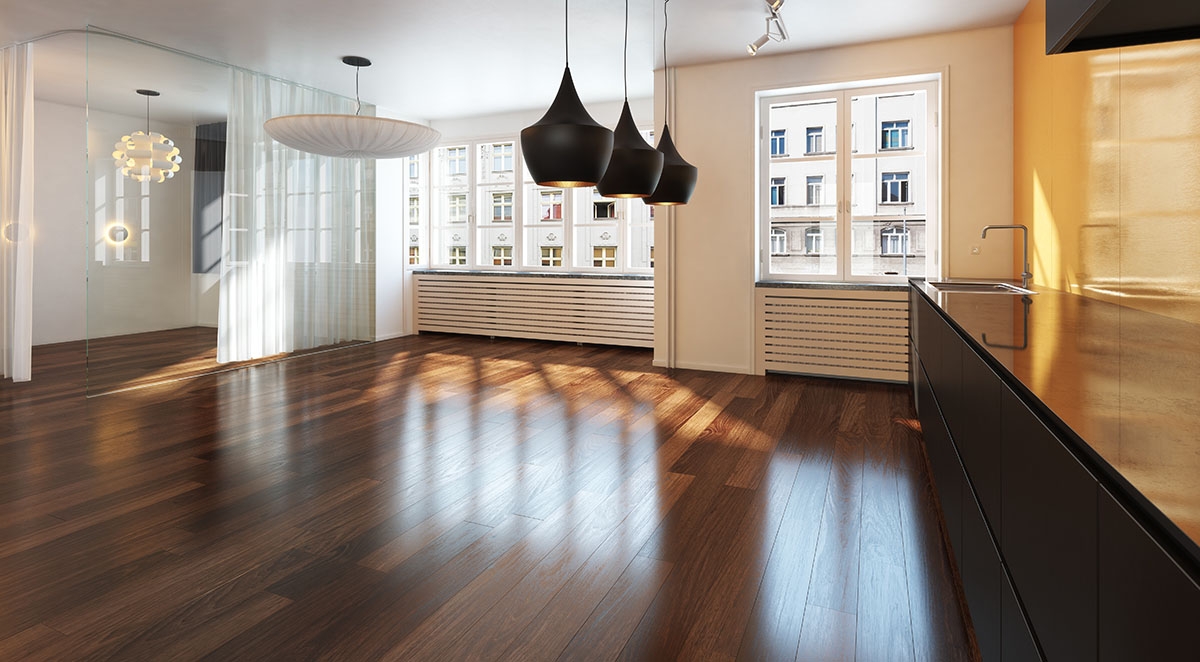
Hardwood flooring has to do more than create an attractive surface. It must withstand foot traffic, furniture, pets, dropped objects, seasonal humidity changes, cleaning, and years of regular use. Choosing the right species can improve the floor’s durability while giving the room the color and grain pattern the project requires.
Hardness is an important part of the decision, but it should not be the only consideration. A very hard wood can still move as moisture levels change. A slightly softer species may perform well when it is properly dried, installed, and finished. Grain, board width, sawing method, grade, and maintenance expectations also influence how a finished floor performs.
The hardwood products available from Select Hardwoods include several species commonly used for residential and commercial flooring, including white oak, red oak, hickory, ash, walnut, and cherry. Each one offers a different balance of durability, appearance, stability, and cost.
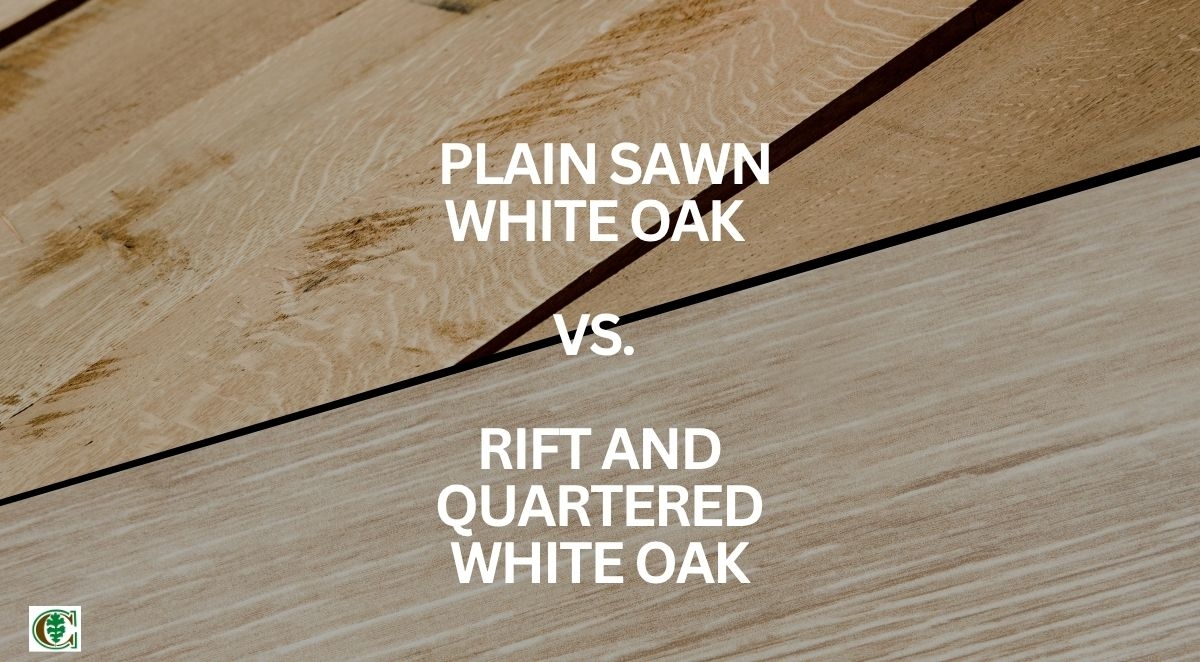
White oak is widely used for flooring, furniture, cabinetry, doors, paneling, and architectural millwork. Its strength, wear resistance, and recognizable grain make it useful for both high-volume manufacturing and custom woodworking. However, choosing white oak is only the first part of the decision. Buyers also need to determine how the lumber should be sawn.
Plain sawn white oak and rift and quartered white oak come from the same general species group, but their cutting patterns produce meaningful differences in appearance, stability, yield, and price. Plain sawn lumber emphasizes cathedral grain and efficient log recovery. Rift and quartered lumber offers straighter grain, more controlled figure, and reduced movement across the board’s width.
Understanding those differences can help manufacturers, builders, designers, and woodworkers choose the right material without paying for features that a project does not require.

Rift and quartered white oak has become one of the most requested hardwood products for furniture makers, flooring manufacturers, cabinet shops, architectural millwork companies, builders, designers, and export buyers. It is not chosen only because it looks good. It is chosen because the way it is cut changes how the lumber performs.
Compared to conventional flat-sawn lumber, rift and quartered white oak is produced with more attention to grain orientation. That matters when the finished product needs cleaner lines, better stability, tighter consistency, and long-term dependability. In flooring, it can help reduce seasonal movement. In cabinetry, it can help doors, panels, and frames hold their shape. In furniture and millwork, it gives craftspeople material that machines well, finishes well, and creates a more controlled appearance across a finished run.
Select Hardwoods offers Rift and Quartered White Oak for customers who need dependable Appalachian hardwood lumber for serious projects. Here is more about why we're featuring Rift and Quartered White Oak:
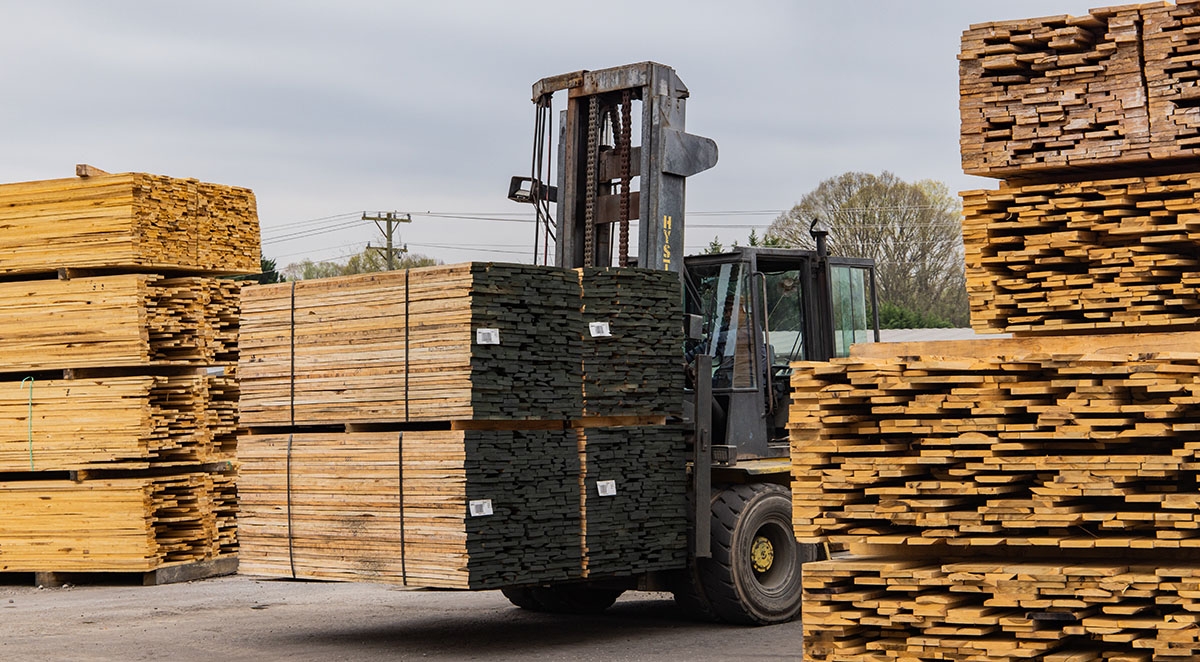
Global market demand for hardwood lumber is experiencing steady growth, with some projections valuing it at over $36 Billion USD in 2024. This growth is driven especially in the Asia-Pacific region, with China and Vietnam being the largest consumers and importers of hardwood. This region utilizes hardwood lumber for a variety of applications, which in many cases are exported back to the US and to the EU.
Much of the hardwood lumber that is exported from North America ends up in high-end furniture, flooring, cabinetry, and architectural millwork. These manufacturers and contractors require the best quality hardwood sources to ensure that their products can be properly processed and packaged for downstream production.
As global markets become more selective, quality hardwoods that can be found across North America become more in demand. In this article, we will explore the importance of sourcing quality hardwoods for export.