Hardwood buyers need a consistent way to know what a shipment of lumber actually contains. Species and thickness are part of that conversation, but so are width, moisture content, color, and grade. Among those specifications, grade can have a major effect on both price and how much usable material a manufacturer can recover from each board.
The National Hardwood Lumber Association, commonly known as NHLA, created a standardized grading system that has been used for more than 125 years. Its rules give sawmills, exporters, lumber distributors, furniture manufacturers, flooring producers, cabinet companies, and other hardwood buyers a shared way to describe lumber quality and expected yield.
Terms such as FAS, F1F, Selects, No. 1 Common, and No. 2 Common may sound like simple rankings from best to worst, but NHLA grading is more precise than that. The system is largely concerned with how much clear, usable wood a board can produce and how large those clear sections can be.
That distinction matters because the best lumber grade for one manufacturer may not be the most economical grade for another.
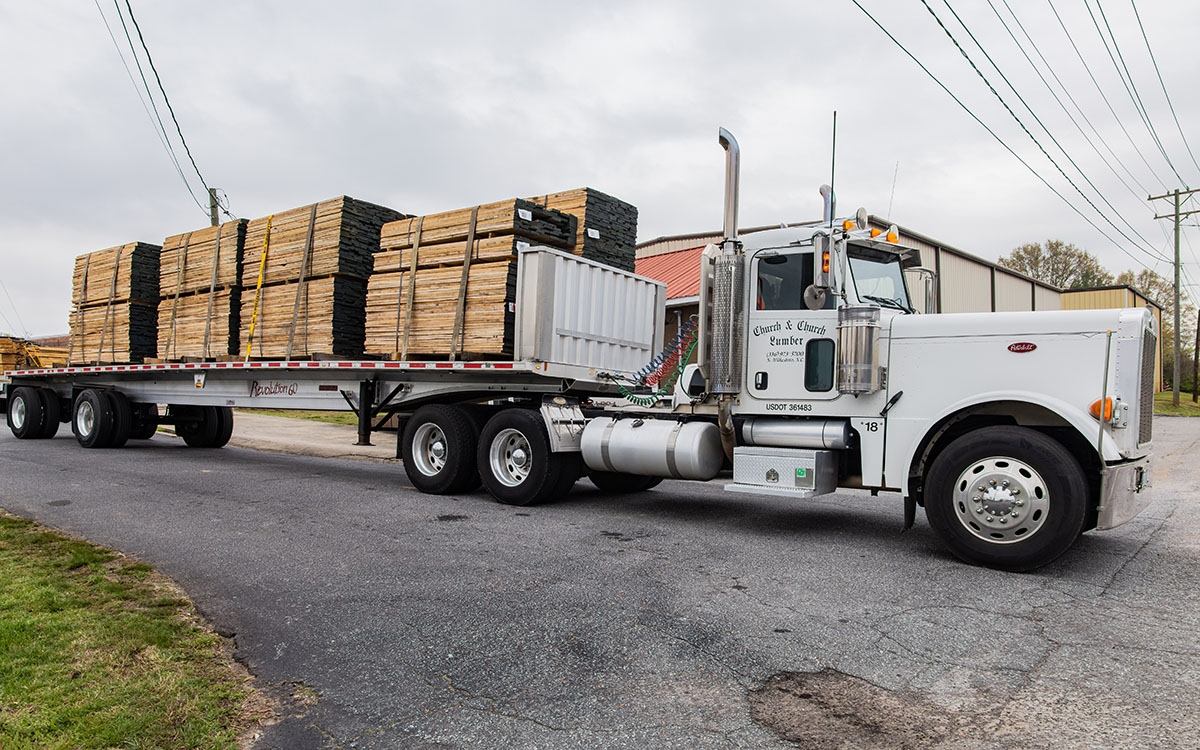
Lumber exporting connects hardwood producers in the United States with manufacturers, distributors, flooring companies, furniture makers, architectural millwork businesses, and other buyers around the world. While the finished product may arrive thousands of miles from where the tree originally grew, getting hardwood lumber from the Appalachian region to an international customer requires careful attention at nearly every stage.
Quality matters, but exporting involves much more than producing good lumber. Species selection, sawing, drying, grading, sorting, packaging, transportation, documentation, container loading, and communication with customers can all affect whether a shipment arrives ready for its intended application.
As an exporter of high-quality Appalachian hardwoods, we serve customers across the United States and around the world. Our lumber travels to markets including the West Coast, Texas, Vietnam, China, Europe, and other destinations where buyers depend on American hardwoods for manufacturing and construction.
Understanding how lumber exporting works can also help buyers understand why choosing an experienced hardwood supplier is so important.
For years, cabinetmakers have been crafting cabinets with nearly every type of wood imaginable. Their knowledge of quality wood is nearly unmatched, as they provide a product that is meant to hold up to everyday use while also looking aesthetically pleasing. In many kitchens, cabinets are one of the primary design elements that set the tone for the rest of the kitchen layout and character.
Choosing proper lumber for kitchen cabinets can shape nearly every other choice in a kitchen. The wood species for kitchen cabinets will determine how cabinets age, take stain or paint, resist wear, and the overall feel. From red oak to walnut, the right type of wood for your kitchen cabinets depends on the layout, design, and particular aesthetic of your kitchen. It is also important to consider budget, as different species of wood can fetch a premium due to their quality and accessibility
In this guide, we will discuss the various types of hardwood lumber that are best used in cabinet making, as well as their benefits and drawbacks.
Builders, manufacturers, and do-it-yourselfers alike are all constantly looking for the best wood products for their projects. Whether it is a full-scale cabinet-making business, a flooring manufacturer, or a custom furniture hobbyist, the right lumber can make or break a project. Hardwoods especially have a variety of uses that don't always align with a particular application. Choosing the right type of hardwood is vital to any project's success.
Working with a lumber company to help choose hardwood products can ease the pain of not knowing. Any good lumber company should be able to help you navigate through the different species, grades, and qualities of wood products on hand to choose the right lumber for your project.
In this blog, we will discuss the different qualities of hardwood lumber, as well as several species and their uses.