At Select Hardwoods, our kiln drying expertise transforms raw Appalachian hardwoods into dimensionally stable lumber that performs predictably in demanding manufacturing applications. Four generations of lumber processing experience, combined with advanced kiln technology and conservative drying schedules, ensure that every board leaving our facility meets the precise moisture content specifications that quality manufacturing requires.
The science of moisture content management extends far beyond simply removing water from wood. Proper kiln drying requires understanding equilibrium moisture content principles, species-specific characteristics, and the manufacturing environments where lumber will be used. Our technical approach to moisture control provides manufacturers with the dimensional stability that precision applications demand, eliminating the variables that can compromise product quality and customer satisfaction.
1. Understanding Moisture Content Fundamentals
Equilibrium Moisture Content Principles
Wood naturally seeks equilibrium with its surrounding environment, absorbing or releasing moisture until internal moisture content matches atmospheric conditions. This fundamental principle affects every aspect of lumber performance, from dimensional stability during machining to long-term performance in finished products.
Equilibrium moisture content (EMC) varies based on temperature and relative humidity conditions, with typical indoor environments ranging from 6-12% depending on seasonal variations and climate control systems. Understanding these relationships allows manufacturers to specify moisture content levels that minimize seasonal movement in finished products.
The relationship between relative humidity and EMC follows predictable patterns that manufacturers can use to optimize lumber specifications for specific applications and installation environments. Cabinet components destined for climate-controlled environments require different moisture targets than exterior millwork exposed to seasonal weather variations.
Fiber Saturation Point and Water Types
Wood contains two distinct types of water that behave differently during drying and affect dimensional stability in unique ways. Free water occupies cell cavities and contributes minimal dimensional change when removed, while bound water within cell walls directly impacts lumber dimensions as it moves in and out of the wood structure.
The fiber saturation point, typically occurring around 28-30% moisture content, represents the threshold where free water has been removed but bound water remains. Below this point, dimensional changes occur proportionally to moisture content changes, making precise moisture control critical for dimensional stability.
Understanding these moisture relationships allows manufacturers to predict and control lumber behavior during processing and in service. Kiln drying below the fiber saturation point requires careful control to prevent defects while achieving target moisture levels that provide dimensional stability.
Regional Climate Considerations
Manufacturing facilities and end-use environments create specific moisture equilibrium conditions that affect lumber performance throughout its service life. Understanding these regional variations allows manufacturers to specify moisture content levels that minimize seasonal movement and dimensional instability.
Heating systems, air conditioning, and building construction methods all influence interior moisture conditions that affect lumber performance. Our technical expertise helps manufacturers understand these relationships and specify moisture content levels that optimize product performance in specific environments.
Seasonal variations in humidity create cyclical moisture changes that well-designed products accommodate through proper moisture content specification and construction techniques. Manufacturers who understand these patterns can design products that perform consistently despite environmental changes.
The Kiln Drying Process at Select Hardwoods
Conservative Drying Schedules for Quality
Our approach to kiln drying prioritizes lumber quality over speed, using conservative schedules that minimize stress while achieving precise moisture content targets. This methodology prevents the internal stresses and surface defects that aggressive drying can create, ensuring that lumber performs predictably during machining and in service.
Conservative drying schedules extend processing time but create lumber with superior dimensional stability and reduced internal stress. This approach prevents the checking, warping, and splitting that can occur when lumber is dried too rapidly or at excessive temperatures.
Temperature and humidity progressions follow established schedules that account for species characteristics, lumber thickness, and target moisture content levels. Our experienced kiln operators monitor progress continuously, making adjustments that optimize both drying efficiency and final lumber quality.
Advanced Temperature and Humidity Control Systems
Modern kiln technology provides precise control over temperature, humidity, and airflow that ensures consistent drying results across entire kiln loads. Computer-controlled systems monitor conditions continuously, making automatic adjustments that maintain optimal drying environments throughout the process.
Our kiln drying facilities feature advanced control systems that maintain temperature within 2°F and humidity within 3% of target levels. This precision ensures uniform drying across lumber loads while preventing the variations that can create quality problems.
Airflow management ensures consistent conditions throughout kiln chambers, preventing the hot spots and dead air zones that can create uneven drying and quality defects. Proper circulation systems ensure that every board receives consistent treatment regardless of position within the kiln load.
Monitoring and Sampling Procedures
Continuous monitoring throughout the drying process provides real-time feedback that guides scheduling decisions and ensures optimal results. Moisture samples taken from representative boards track drying progress while identifying any variations that require attention.
Our sampling procedures follow established protocols that provide accurate representation of moisture levels throughout kiln loads. Multiple samples from different locations ensure that moisture content data reflects actual lumber conditions rather than isolated measurements.
Data logging systems maintain detailed records of temperature, humidity, and moisture content changes throughout drying cycles. This information supports quality control procedures while providing documentation that customers require for their quality systems.
Species-Specific Drying Requirements
Different hardwood species require customized drying approaches that account for their unique characteristics and performance requirements. White Oak's dense structure demands different treatment than Cherry's more responsive drying behavior, while Maple species present their own specific challenges and opportunities.
Our expertise in Appalachian hardwood species guides drying schedule selection and monitoring procedures for optimal results. Understanding species-specific characteristics allows us to optimize both drying efficiency and final lumber quality for each wood type we process.
Drying defect prevention requires species-specific knowledge that our experienced operators provide. Understanding which species are prone to specific defects allows preventive measures that ensure consistently high-quality results.
Moisture Testing and Quality Verification
Testing Methods and Equipment
Accurate moisture content measurement requires sophisticated equipment and established procedures that provide reliable data for quality control and customer verification. Our testing protocols use multiple methods to ensure measurement accuracy and provide comprehensive moisture content documentation.
Electronic moisture meters provide rapid moisture content readings that guide kiln operation and quality verification procedures. Pin-type and pinless meters each offer specific advantages for different testing applications, and our operators understand when each method provides optimal accuracy.
Oven-dry testing provides the most accurate moisture content measurements for quality verification and dispute resolution. This destructive testing method sacrifices sample pieces but provides definitive moisture content data that supports quality documentation and customer confidence.
Sampling Procedures for Accuracy
Proper sampling procedures ensure that moisture content measurements accurately represent lumber conditions throughout kiln loads and shipments. Random sampling from multiple locations provides statistical confidence in moisture content data while identifying any variations that require attention.
Our sampling protocols follow established industry standards that provide representative data while maintaining efficient operations. Sample selection procedures account for lumber dimensions, species characteristics, and customer requirements to ensure appropriate testing coverage.
Documentation of sampling procedures and results provides customers with detailed moisture content verification that supports their quality control requirements. This systematic approach ensures that moisture content claims are supported by appropriate testing data.
Documentation and Certification
Comprehensive documentation accompanies every shipment, providing detailed moisture content verification that supports customer quality systems and manufacturing requirements. Certificates include testing methods, sample locations, and statistical summaries that provide complete moisture content information.
Our quality documentation systems track moisture content data from kiln drying through shipment, providing complete traceability that quality-conscious manufacturers require. This systematic approach supports customer quality systems while providing verification of specification compliance.
Moisture content certificates include information about testing procedures, equipment calibration, and statistical analysis that supports customer confidence in data accuracy. This detailed documentation approach distinguishes our quality systems from suppliers who provide limited moisture content information.
Moisture Gradient Considerations
Understanding moisture gradients within lumber pieces allows manufacturers to predict and control dimensional behavior during machining and in service. Surface moisture levels often differ from core moisture content, creating internal stresses that affect lumber performance.
Our testing procedures evaluate moisture gradients when applications require specific information about internal moisture distribution. This detailed analysis helps manufacturers understand potential dimensional behavior and plan machining operations accordingly.
Gradient management during kiln drying minimizes internal stresses while achieving target moisture content levels throughout lumber cross-sections. This technical approach ensures that lumber performs predictably during machining and maintains dimensional stability in service.
Preventing Warping, Splitting, and Defects
Understanding Causes of Dimensional Instability
Dimensional instability in hardwood lumber results from moisture content changes, internal stresses, and improper handling procedures that allow uncontrolled moisture exchange with surrounding environments. Understanding these causes allows manufacturers to implement preventive measures that maintain lumber quality throughout processing and storage.
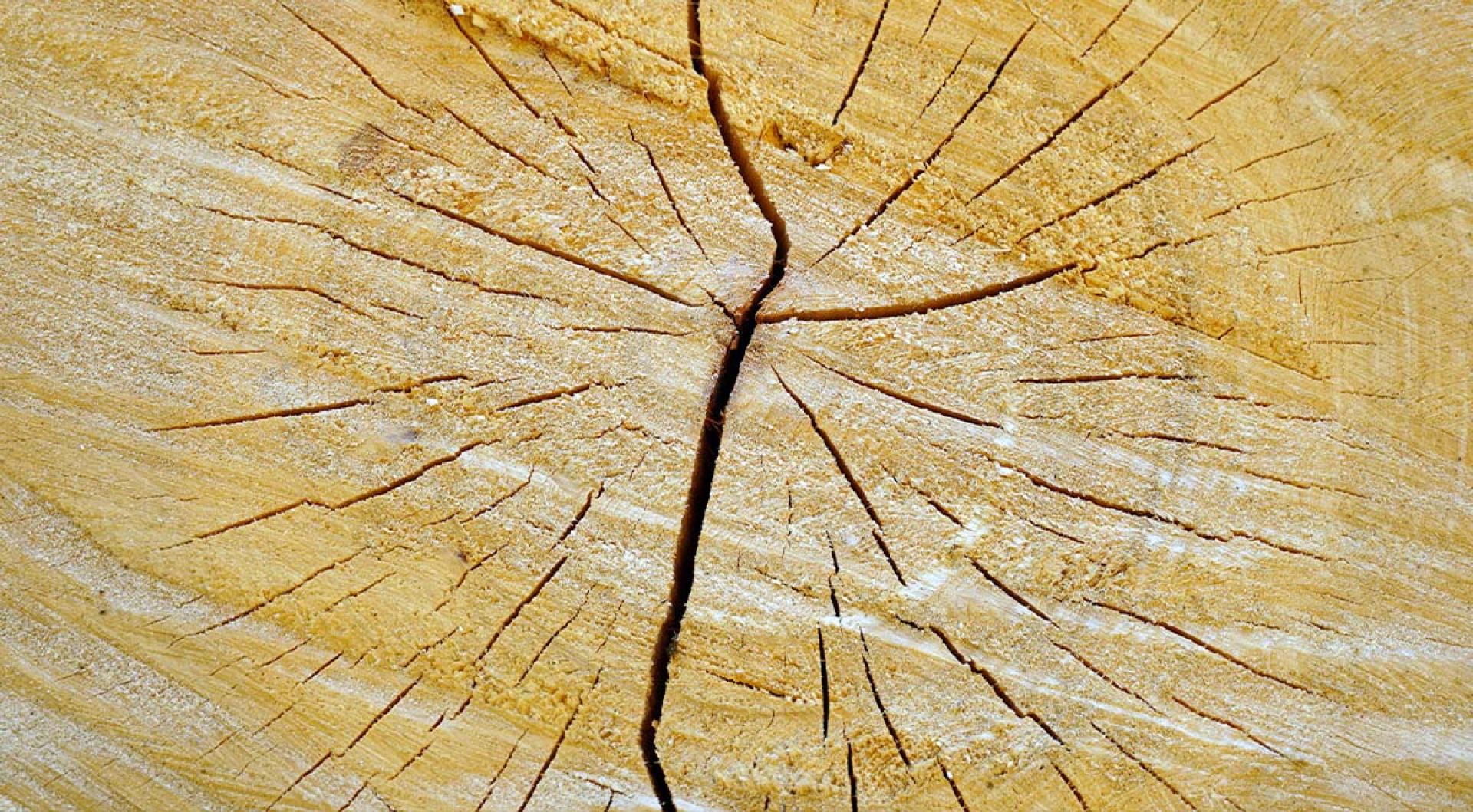
Uneven moisture content across lumber cross-sections creates internal stresses that manifest as warping, bowing, or twisting when restraining forces are removed during machining. Proper kiln drying and handling procedures minimize these stresses while maintaining lumber flatness and dimensional stability.
Rapid moisture content changes during storage or handling can overwhelm wood's ability to accommodate dimensional changes gradually, resulting in checking, splitting, or warping that compromises lumber utility. Controlled moisture exchange through proper handling prevents these problems.
Proper Storage and Handling Procedures
Maintaining lumber quality after kiln drying requires storage and handling procedures that prevent moisture content changes and physical damage. Our storage facilities provide climate control and protection that preserve the dimensional stability that our kiln drying process creates.
Proper stacking procedures support lumber weight while allowing air circulation that prevents moisture accumulation and fungal growth. Sticker spacing and lumber orientation prevent distortion while maintaining access for handling and shipping operations.
Protection from weather exposure prevents moisture content changes that can cause warping, splitting, or dimensional instability. Our covered storage facilities maintain consistent environmental conditions that preserve lumber quality from processing through shipment.
Acclimation Best Practices for Manufacturers
Proper acclimation procedures allow lumber to gradually adjust to manufacturing environment conditions, minimizing dimensional changes during processing and in finished products. Manufacturers who understand acclimation principles achieve better results with fewer quality problems.
Gradual moisture content adjustment prevents the rapid dimensional changes that can cause warping or splitting during acclimation. Controlled environments allow lumber to reach equilibrium moisture content gradually while maintaining dimensional stability.
Our technical support includes acclimation recommendations that help manufacturers optimize lumber performance in their specific environments. Understanding local climate conditions and manufacturing facility characteristics allows customized advice that improves results.
Manufacturing Environment Considerations
Climate control in manufacturing facilities affects lumber moisture content and dimensional stability throughout processing and storage. Understanding these relationships allows manufacturers to optimize environmental conditions for consistent results.
Temperature and humidity control systems that maintain consistent conditions prevent the moisture content fluctuations that can cause dimensional instability during manufacturing operations. Investment in climate control often pays dividends through improved lumber performance and reduced waste.
Monitoring systems that track environmental conditions provide data that helps manufacturers understand moisture content trends and optimize handling procedures. This information supports quality control while identifying potential problems before they affect production.
For additional technical resources and specifications, visit our products page for detailed information about our quality standards and capabilities.
Species-Specific Moisture Considerations
White Oak Characteristics and Requirements
White Oak's dense structure and natural moisture resistance create specific drying challenges that require expertise and patience to overcome successfully. The species' tight grain structure slows moisture movement, requiring extended drying times and conservative schedules that prevent surface checking and internal stress development.
Quarter-sawn and rift-sawn White Oak present additional challenges due to ray structure exposure that can create checking if drying proceeds too rapidly. Our experience with these specialized cuts ensures proper drying that preserves the distinctive figure while maintaining dimensional stability.
Target moisture content for White Oak typically ranges from 6-8% for furniture and millwork applications, with precise control required to prevent the seasonal movement that can affect joint integrity and surface appearance in finished products.
Cherry Processing Excellence
Western North Carolina Cherry benefits from our understanding of regional wood characteristics and optimal processing techniques. The species' responsive drying behavior allows relatively rapid moisture removal, but requires careful control to prevent the color variations and surface defects that improper drying can cause.
Cherry's tendency toward color development during drying requires specific temperature and humidity management that optimizes color consistency while achieving target moisture content levels. Our expertise ensures uniform color development that supports matched lumber sets for coordinated projects.
Moisture content targets for Cherry applications typically range from 6-8% for interior use, with careful attention to moisture gradients that can affect dimensional stability during machining and in service.
Maple Species Considerations
Both Hard and Soft Maple require specific drying approaches that account for their different density characteristics and performance requirements. Hard Maple's density creates drying challenges similar to White Oak, while Soft Maple responds more readily to moisture removal.
Understanding these differences allows optimal drying schedule selection that achieves target moisture content levels while preventing defects specific to each Maple species. Our expertise ensures consistent results regardless of Maple species or application requirements.
Moisture content specifications for Maple applications consider end-use requirements and environmental conditions, typically ranging from 6-8% for furniture and millwork applications where dimensional stability is critical.
Frequently Asked Questions
What moisture content should I specify for my application?
Moisture content specifications depend on your manufacturing environment and end-use conditions. Interior millwork typically requires 6-8%, while other applications may have different requirements. We provide technical consultation to help determine optimal moisture content for your specific needs.
How do you verify and document moisture content levels?
We use both electronic moisture meters and oven-dry testing to verify moisture content, with comprehensive documentation that includes testing methods, sample locations, and statistical analysis. Certificates accompany every shipment providing complete moisture content verification.
What causes lumber movement after delivery despite proper moisture content?
Movement can result from moisture content changes due to environmental differences, inadequate acclimation time, or improper storage conditions. We provide technical guidance on acclimation and handling procedures that minimize post-delivery movement.
How should I acclimate lumber before manufacturing use?
Acclimation procedures depend on moisture content differences between lumber and your environment. Generally, lumber should be stored in manufacturing conditions for several days to weeks, depending on thickness and moisture content differential, allowing gradual equilibration.
Technical Excellence in Every Board
Select Hardwoods' approach to moisture content management combines scientific understanding with practical experience to deliver lumber that performs predictably in demanding manufacturing applications. Our conservative kiln drying schedules, precise monitoring procedures, and comprehensive quality documentation ensure that every board meets the moisture content specifications that quality manufacturing requires.
The investment in proper moisture content management pays dividends throughout the manufacturing process and in finished product performance. Dimensionally stable lumber machines more predictably, joints perform better, and finished products maintain their intended appearance and function throughout their service life.
Our technical expertise extends beyond moisture content to encompass all aspects of lumber quality that affect manufacturing success. From species selection and grading to processing and documentation, our comprehensive approach ensures that customers receive lumber optimized for their specific applications and requirements.
Ready to experience the difference that proper moisture content management makes in your manufacturing operations? Contact our team today to discuss your specific moisture content requirements and learn how our expertise can improve your product quality and manufacturing efficiency. Let's work together to ensure your lumber performs exactly as your applications demand.