
Rift and Quartered White Oak Is A Featured Hardwood Product For High-Quality Work
Rift and quartered white oak is different from plain-sawn white oak because of the way the log is broken down at the mill. Instead of cutting straight through the log in the most yield-focused pattern, rift and quartered milling controls the relationship between the growth rings and the face of the board.
That grain orientation is the whole point. It affects appearance, movement, strength, and consistency.
Quarter-sawn white oak is known for visible medullary rays, often called ray fleck. These rays create a recognizable figure across the board face. Rift-sawn white oak has a straighter, quieter grain pattern with less fleck. When rift and quartered white oak is sorted together, buyers get a mix of clean vertical grain and subtle figure, which can be a strong fit for flooring, furniture, cabinetry, wall systems, trim, and architectural details.
The Select Hardwoods Rift and Quartered White Oak product page explains that the product is cut at controlled angles to create a tighter, more predictable grain pattern. That tighter grain pattern is one of the reasons this material is so useful for large projects where consistency matters from one board to the next.
What Makes Rift and Quartered White Oak Different From Flat-Sawn White Oak
Flat-sawn lumber is common because it is efficient to produce and displays familiar cathedral grain. It has its place, but it does not behave the same way as rift and quartered lumber. Because flat-sawn boards have growth rings running in a broader arc across the board face, they are more prone to noticeable expansion, contraction, cupping, and visual variation.
Rift and quartered white oak is cut differently. In quarter sawing, the log is divided into sections so the growth rings meet the board face at a steeper angle. In rift sawing, the goal is to produce boards with tight, straight grain and less visible fleck. Both cuts require more planning and more handling than plain sawing, but the result is lumber that performs better in demanding applications.
This blog: Rift and Quartered White Oak: How Select Hardwoods Develops Premium and Unique Cuts, is a good resource for learning more about how Rift and Quartered White Oak can enhance your project.
Rift and Quartered White Oak Offers Grain Consistency For Flooring, Furniture, And Millwork
Consistency is one of the biggest reasons buyers choose rift and quartered white oak. In many finished products, one beautiful board is not enough. The material has to work across dozens, hundreds, or thousands of pieces.
A flooring manufacturer may need boards that will create a clean, steady look across a room, a home, or a commercial space. A cabinet shop may need panels, stiles, rails, and doors that match closely enough to support a high-end finish. A furniture maker may need lumber that will hold shape through cutting, joining, sanding, and finishing. An architectural millwork company may need straight grain for wall panels, trim packages, stair parts, or custom built-ins.
Rift and quartered white oak helps with all of those needs because it gives the buyer more control over the final appearance. Rift boards provide straight, linear grain. Quartered boards provide the ray fleck and character many craftspeople want from oak. Together, they allow designers and builders to choose a finished look that feels intentional rather than random.
This matters in projects such as:
- Hardwood flooring: Rift and quartered white oak helps reduce movement and supports a more consistent finished floor.
- Custom cabinetry: Straight grain can make doors, drawer fronts, and panels feel cleaner and more uniform.
- Furniture manufacturing: Stable stock helps with joinery, machining, and long-term performance.
- Architectural millwork: Trim, paneling, wall systems, and built-ins benefit from tighter visual control.
- Stair parts and interior components: Strong, stable white oak is well-suited for pieces that need to hold up under regular use.
- Export production: International buyers often need consistent grade, grain, appearance, and milling specifications.
The Sawmill Process Matters For Rift and Quartered White Oak
A strong finished board starts long before it reaches the customer. Rift and quartered white oak begins with the log. Not every white oak log is the right candidate. The mill has to consider size, straightness, growth ring structure, defects, and overall yield potential.
This blog, How We Mill Rift and Quartered White Oak, explains this process further.
That is exactly what separates rift and quartered production from more basic lumber production. The mill is not simply cutting boards. It is working toward a specific grain orientation and a specific performance result.
After the right logs are selected, the milling process controls how the boards are taken from the log. The quartering step positions the growth rings in a way that supports vertical grain. From there, boards are sawn to produce either the ray fleck associated with quarter-sawn white oak or the straighter appearance associated with rift-sawn white oak.
This is more labor-intensive than flat sawing. It can also reduce yield. However, the result is a product with higher value for customers who need the specific advantages rift and quartered white oak provides.
1. Rift and Quartered White Oak Performs Well In Demanding Environments
Wood moves. That is not a defect. It is part of working with a natural material. The question is how much movement is likely, how noticeable it will be, and whether the lumber is appropriate for the finished application.
Rift and quartered white oak is often chosen because it reduces the movement problems associated with less stable cuts. It can still respond to moisture and humidity, but the grain orientation helps limit expansion and contraction across the width of the board.
That is one reason it is valued for flooring. Floors see seasonal changes, foot traffic, cleaning, heating, cooling, and sunlight. A more stable cut helps reduce the chance of cupping, gapping, and uneven movement. It is also useful in cabinetry, where even small amounts of movement can affect doors, reveals, panels, and drawer fronts.
For commercial interiors, stability becomes even more important. Hotels, restaurants, offices, retail spaces, libraries, and institutional buildings often require long runs of material. If that material moves unpredictably, the problem is multiplied across a large installation. Rift and quartered white oak helps reduce that risk.
2. Rift and Quartered White Oak Creates A Strong Visual Foundation
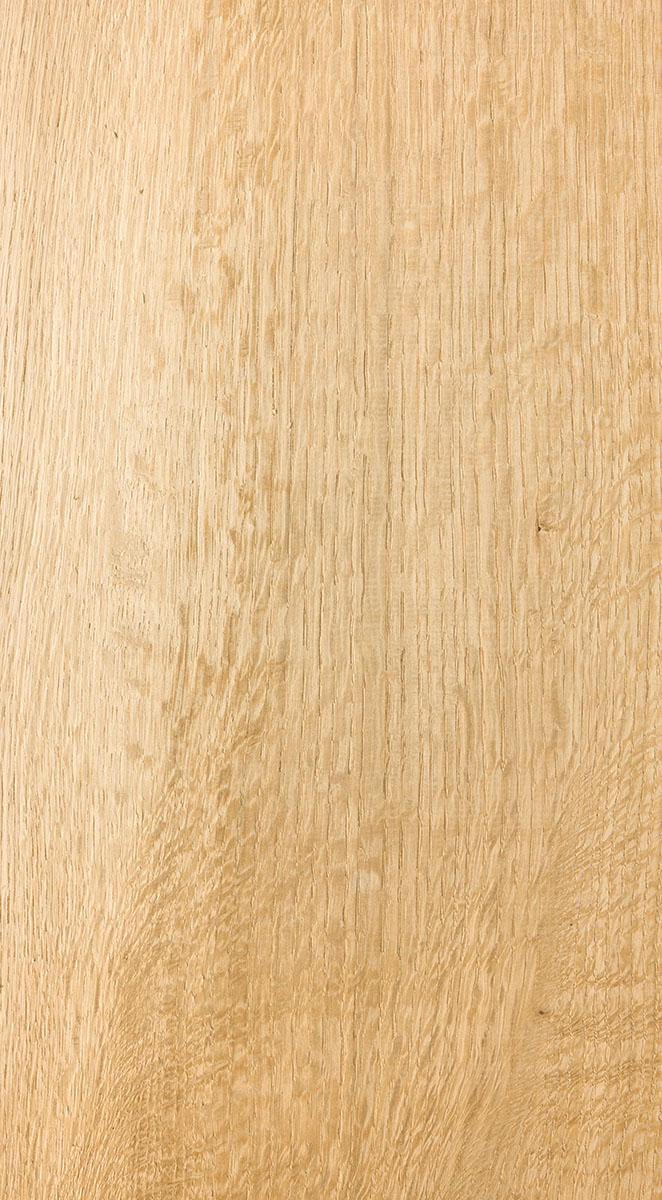 The look of rift and quartered white oak is one of its major selling points. It can support traditional, transitional, and modern design, depending on how the material is selected and finished.
Quartered white oak has a recognizable ray fleck that has been used in Mission, Craftsman, and Arts and Crafts furniture for generations. The figure gives the surface movement and character without relying on heavy stain or excessive ornament. Rift white oak, by comparison, is quieter. It creates straight, consistent lines that work well in modern interiors, contemporary cabinetry, and clean architectural details.
That range gives buyers options. A designer may choose rift-heavy material for a minimalist kitchen. A furniture maker may want quartered stock for a table with visible figure. A flooring manufacturer may want a balanced rift and quartered mix that offers consistency with enough natural character to feel warm.
This blog, How Our Sawmill Delivers Rift and Quartered White Oak for Premium Projects, explains the importance of the sawing method this way.
That line is simple, but it is a major point for buyers. Species alone does not determine the final result. Cut matters. A flat-sawn white oak board, a rift-sawn white oak board, and a quarter-sawn white oak board can all come from the same species, but they will not create the same finished product.
3. Rift and Quartered White Oak For Flooring
Flooring is one of the clearest applications for rift and quartered white oak. When boards are installed across a room, consistency matters immediately. A floor with cleaner grain can make the room feel more settled and refined. A floor with better stability can reduce the problems that come from seasonal movement.
Rift and quartered white oak flooring is often selected for homes, offices, hospitality spaces, retail interiors, and public buildings because it combines durability with appearance control. White oak is already respected for strength and wear resistance. The rift and quartered cut adds another advantage by helping the flooring remain flatter and more predictable.
For flooring manufacturers and installers, this can support:
- Cleaner board matching: More predictable grain helps create a more consistent finished floor.
- Reduced seasonal movement: Rift and quartered boards are less prone to dramatic width movement than flat-sawn boards.
- Better performance in high-use areas: White oak holds up well, especially when properly dried and finished.
- Design flexibility: Rift boards can create straight modern lines, while quartered boards add subtle figure.
- Long-term value: Stable flooring reduces the likelihood of problems that can undermine the finished project.
4. Rift and Quartered White Oak For Cabinetry And Furniture
Cabinetry and furniture require lumber that can be milled accurately and trusted after installation or assembly. Rift and quartered white oak is a strong option because it offers predictable movement and a controlled appearance.
In cabinetry, rift-sawn white oak is especially popular because of its straight grain. It works well for slab doors, shaker-style doors, drawer fronts, panels, and built-in storage. When finished with a natural or light stain, the straight grain can create a clean and professional look without feeling plain.
Quartered white oak is often used when the maker wants more figure. The ray fleck can add visual depth to tabletops, case pieces, shelving, and specialty furniture. It can also bring a traditional feel to furniture without making the piece feel outdated.
Furniture makers also benefit from the stability of the material. Tables, chairs, benches, desks, and built-ins all depend on joinery. When lumber moves less, it is easier to preserve tight joints and clean lines over time.
5. Rift and Quartered White Oak For Architectural Millwork
Architectural millwork can expose every inconsistency in a piece of lumber. Long wall panels, trim runs, doors, stair parts, ceiling details, and built-ins often require material that looks consistent and holds its shape. Rift and quartered white oak is a natural fit for these applications.
For architectural millwork, the value is not just in one board. It is in the ability to sort and supply boards that work together. Grain, color, width, length, grade, and moisture content all matter. A millwork shop may need material that can be machined cleanly, matched across a large space, and installed with confidence.
That is where Select Hardwoods’ ability to supply sorted rift and quartered white oak becomes important. Buyers can discuss specifications, availability, and project needs before ordering. That helps reduce mismatches, delays, and waste.
6. Rift and Quartered White Oak For Export Markets
Rift and quartered white oak is not only used domestically. It is also an important product for export buyers who need American hardwoods for furniture, flooring, cabinetry, millwork, and interior manufacturing.
This blog, Rift & Quartered White Oak in Export Markets, explains that international demand often centers on performance and appearance.
Export buyers often have specific expectations. They may need lumber for factories producing finished goods at scale. They may need consistent grain for contemporary interiors. They may need material that performs well in climate-controlled buildings or in regions with challenging humidity conditions. Rift and quartered white oak answers many of those needs because it is stable, attractive, and practical for manufacturing.
Select Hardwoods’ export capabilities are especially important for customers who need more than a small local order. International hardwood buyers often need help with volume, consistency, timing, documentation, packaging, and repeat supply. A dependable supplier can make the sourcing process smoother from the first quote through shipment.
What To Consider When Ordering Rift and Quartered White Oak
Because rift and quartered white oak is a specialty hardwood product, buyers should think carefully about specifications before ordering. The more precise the finished use, the more important the details become.
Before placing an order, it helps to consider the following:
- Application: Flooring, cabinetry, furniture, millwork, and export manufacturing may require different grades, widths, and sorting.
- Appearance: Decide whether the project needs mostly straight rift grain, more quartered figure, or a balanced mix.
- Grade: Higher appearance grades may be important for premium interiors, while other applications may allow more character.
- Width and length: Confirm whether the design requires specific width ranges or longer boards.
- Moisture content: Proper drying is critical, especially for interior products and precision manufacturing.
- Volume: Larger projects may require early planning to secure consistent material.
- Shipping requirements: Domestic and export customers should discuss delivery timing, packaging, and logistics.
- Finish plans: Natural, stained, oiled, or clear finishes can all affect how grain and color are perceived.
The best time to discuss rift and quartered white oak is before the project is under pressure. Early communication helps the supplier understand what the lumber needs to do, not just what species the buyer wants.
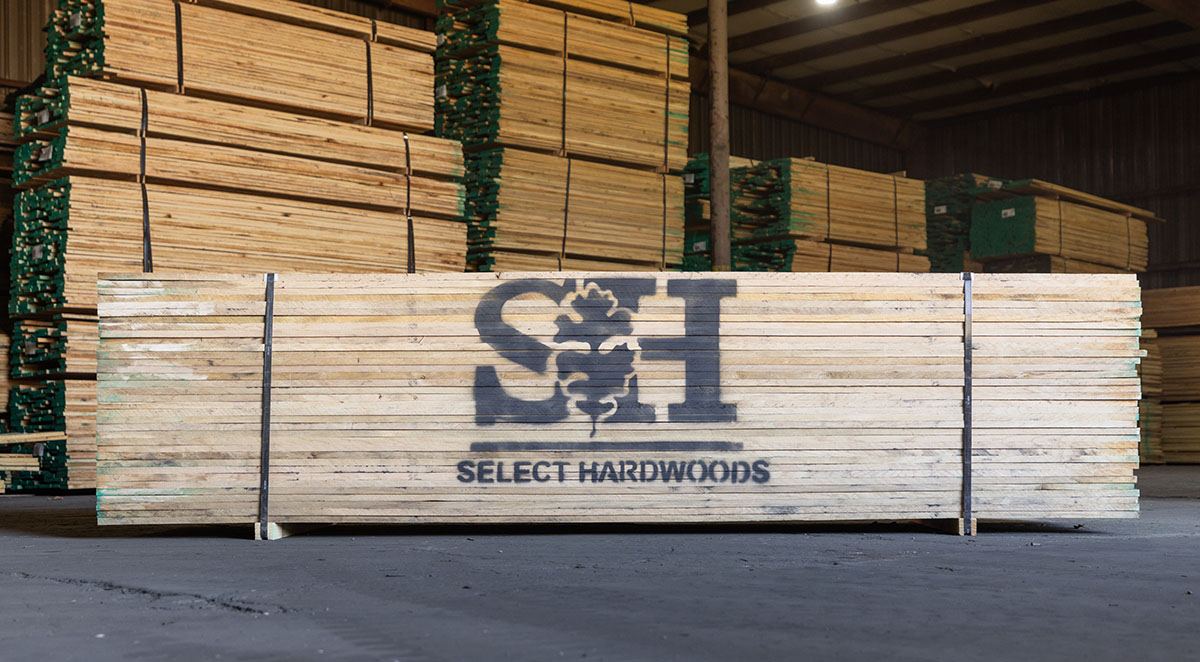
Select Hardwoods Is Your Source For Rift and Quartered White Oak
Select Hardwoods brings together Appalachian hardwood sourcing, sawmill knowledge, drying, sorting, and sales support for customers who need dependable rift and quartered white oak. That combination matters because this product depends on every step of the process.
A supplier cannot create great rift and quartered white oak at the end of the line if the earlier steps were wrong. Poor log selection limits quality before the first board is cut. Inaccurate sawing reduces the value of the grain orientation. Rushed drying can create stress. Weak sorting can create problems for customers who need visual consistency.
Select Hardwoods understands that customers are often buying rift and quartered white oak for projects where quality is visible. Flooring manufacturers, cabinet shops, millwork companies, furniture makers, builders, and export buyers need lumber that supports their own reputation. The right hardwood supplier helps them deliver better finished work.
Rift and quartered white oak is a featured product because it gives buyers what many projects require: strength, stability, consistent grain, reliable performance, and a finished look that works across many applications. It is a smart choice for flooring, furniture, cabinetry, architectural millwork, doors, interior components, specialty manufacturing, and export markets.
Select Hardwoods supplies rift and quartered white oak for customers who need the material processed correctly and delivered with attention to detail. Whether you are sourcing lumber for a single premium project, ongoing production, or international shipment, Select Hardwoods can help you discuss specifications, availability, grades, width sorts, and order requirements.
Choose Select Hardwoods for Rift and Quartered White Oak that is selected, processed, dried, sorted, and supplied with the finished project in mind.