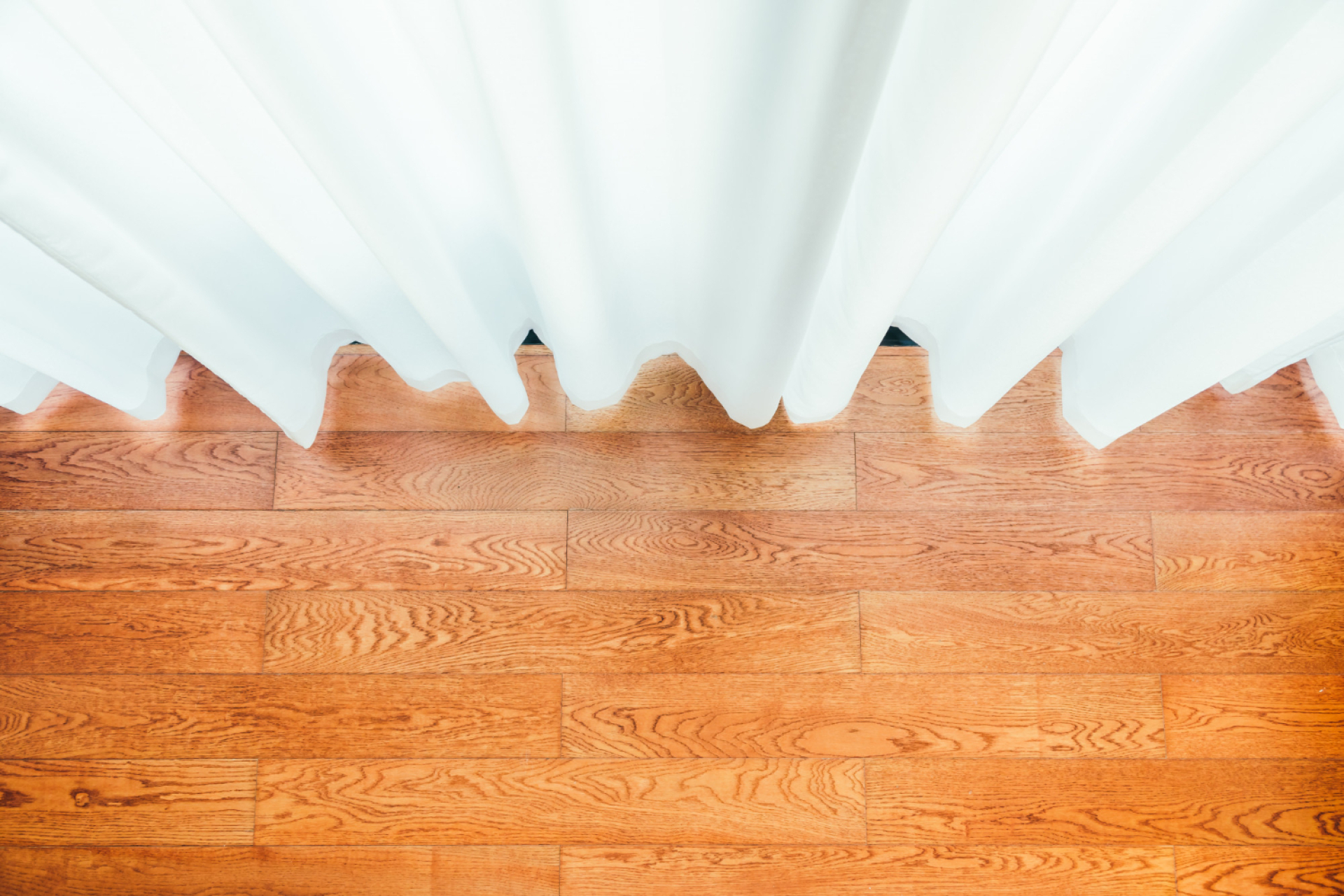
Whether you're starting your research or finalizing your flooring project, this listicle will help you make an informed decision.
I) Types of Hardwood Flooring: Solid vs. Engineered
Solid Hardwood Flooring
Solid hardwood flooring is crafted from a single piece of wood. It is known for its natural beauty, durability, and the option to refinish multiple times. This type of hardwood flooring is ideal for those looking to add a timeless, classic feel to their home.
- Thickness and Width: Solid hardwood planks are generally 3/4-inch thick, and the width can vary significantly depending on the desired style.
- Installation: Typically nailed or stapled to a wood subfloor, solid hardwood is not recommended for high-moisture environments like basements.
- Longevity: Solid hardwood can last generations if well maintained and refinished periodically.
Engineered Hardwood Flooring
Engineered hardwood is constructed from several layers of wood veneer, with a top layer of hardwood. This type offers increased stability and resistance to changes in temperature and humidity, making it an excellent choice for areas like basements or over radiant heating systems.
- Layers and Stability: Engineered hardwood typically consists of 3 to 12 layers, with each layer oriented in different directions for enhanced stability.
- Versatility: It can be installed in more challenging areas, such as basements, where solid hardwood is not recommended.
- Refinishing: While it is not always possible to refinish as many times as solid hardwood, engineered options can still often be sanded once or twice, depending on the thickness of the top layer.
II) Popular Hardwood Species for Flooring
1. Oak Hardwood Flooring
Oak remains one of the most popular choices for hardwood flooring. With two primary varieties—Red Oak and White Oak—homeowners get a choice between a classic warm tone and a more modern neutral hue.
- Durability: Both Red Oak and White Oak are highly durable, scoring between 1,290 and 1,360 on the Janka hardness scale.
- Aesthetic Appeal: Red Oak features a pronounced grain pattern with warm tones, while White Oak offers a more subtle grain and cooler, neutral hues.
2. Maple Hardwood Flooring
Maple is another popular choice, known for its light, clean appearance and subtle grain. This makes it a favorite for homeowners looking for a more modern, understated aesthetic.
- Hardness: Maple ranks higher on the Janka scale than Oak, at about 1,450, making it a strong choice for high-traffic areas.
- Style: The soft, elegant grain pattern of Maple creates a versatile backdrop that can work with both contemporary and classic designs.
3. Hickory Hardwood Flooring
Hickory is the hardest domestic wood commonly used for flooring, and it adds an incredible level of character to any room.
- Hardness: Scoring 1,820 on the Janka hardness scale, Hickory is extremely durable and able to withstand heavy wear.
- Appearance: Hickory has an intricate, dramatic grain pattern, making it ideal for homeowners seeking a rustic or unique visual flair.
4. Walnut Hardwood Flooring
Walnut offers a rich, dark brown color with beautiful variations in the grain, creating a luxurious and sophisticated atmosphere in any room.
- Durability: Walnut ranks lower on the Janka scale (1,010) compared to other hardwoods, making it slightly softer but still durable enough for most applications.
- Color and Grain: The deep chocolate tones and straight grain of Walnut provide a rich, elegant look that is perfect for a refined aesthetic.
5. Exotic Hardwood Species
Exotic hardwoods such as Brazilian Cherry, Tigerwood, and Mahogany are known for their unique colors, grain patterns, and exceptional hardness. These species are ideal if you want your floor to stand out and make a bold statement.
- Janka Hardness: Many exotic species rank extremely high on the Janka hardness scale, offering great durability.
- Unique Colors: Exotic hardwoods often come in rich, vibrant colors that cannot be easily replicated by domestic species.
III) Hardwood Flooring Grades
Hardwood flooring is graded based on the appearance and the number of natural imperfections in the wood. The grade you choose can significantly impact the overall look of your floors.
Clear Grade
- Appearance: The highest quality, featuring minimal knots or blemishes.
- Use Case: Great for creating a clean, uniform look with minimal character marks.
Select Grade
- Appearance: Select grade includes minor imperfections, offering a balance between a clean look and natural character.
- Use Case: Ideal for those who want a sophisticated appearance without the price of clear grade.
Common Grades (No. 1 and No. 2)
- Appearance: These grades contain more knots, mineral streaks, and color variation, making them perfect for rustic or farmhouse aesthetics.
- Use Case: Adds a lot of personality and character to the space, often used in country or industrial designs.
IV) Pre-Finished vs. Site-Finished Hardwood Flooring
Pre-Finished Hardwood Flooring
Pre-finished hardwood comes sanded, stained, and coated with multiple layers of finish at the factory.
- Pros:
- Quick Installation: No on-site finishing means less mess and quicker installation.
- Durability: Factory-applied finishes are often more durable due to specialized techniques and controlled environments.
- Cons:
- Bevel Edges: Pre-finished boards often have a slight bevel at the edges, creating grooves between planks.
Site-Finished Hardwood Flooring
Site-finished hardwood is raw wood that is sanded, stained, and finished in place after installation.
- Pros:
- Custom Look: Allows for more customization with stain color and finish.
- Seamless: The sanding process smooths out all edges, providing a more uniform surface.
- Cons:
- Time-Consuming: Requires more time for installation, sanding, staining, and curing.
- Mess: Dust from sanding and odors from stain can be intrusive during the finishing process.
V) Hardwood Floor Finishes
The type of finish you choose can have a significant impact on the durability and appearance of your hardwood floor.
1. Oil-Based Polyurethane
- Pros: Known for its amber glow that deepens over time, creating a rich look. It provides excellent protection against wear and scratches.
- Cons: It takes longer to dry, has a strong odor, and yellows over time.
2. Water-Based Polyurethane
- Pros: Clear finish that doesn't yellow, dries quickly and has a low odor. Ideal for those seeking a more natural look.
- Cons: Typically less durable than oil-based finishes but offers a sleek and modern look.
3. Hard-Wax Oil
- Pros: Gives a natural, matte finish that allows the beauty of the wood to shine through. Easy to repair by touching up individual spots.
- Cons: Requires periodic maintenance and reapplication to maintain the desired finish.
4. Aluminum Oxide Finish
- Pros: Highly durable and resistant to scratches. Most pre-finished floors are treated with aluminum oxide, ensuring longevity.
- Cons: Difficult to refinish, as the coating is extremely hard and can be challenging to sand down.
VI) Choosing the Right Hardwood for Your Space
When choosing hardwood flooring, it's important to consider not only the look but also the specific needs of your space.
1. Consider Traffic Levels
- High Traffic Areas: For high-traffic areas like hallways, kitchens, or entryways, choose a harder species like Oak, Hickory, or Maple.
- Low Traffic Areas: In lower-traffic areas like bedrooms, softer species such as Walnut may be appropriate.
2. Consider Moisture Levels
- Basements: Solid hardwood is not suitable for basements due to moisture issues. Engineered hardwood is a better choice.
- Kitchens and Bathrooms: Avoid placing hardwood in bathrooms or use engineered hardwood with a durable finish in kitchens for greater protection.
3. Climate Considerations
If you live in a climate with wide humidity swings, engineered hardwood will offer more stability and resistance to gapping or cupping.
VII) Maintaining Hardwood Flooring
1. Cleaning and Routine Maintenance
- Regular Sweeping: Sweep or vacuum the floor regularly to remove grit and debris that can scratch the surface.
- Damp Mop: Use a slightly damp mop for deeper cleaning, but avoid excessive water, as it can damage the wood.
2. Preventative Measures
- Furniture Pads: Add pads to furniture legs to prevent scratches when moving chairs or tables.
- Rugs and Mats: Place rugs in high-traffic areas and mats at entry points to reduce wear and tear.
3. Refinishing and Repair
- Refinishing: Depending on the wear, solid hardwood can be refinished every 7-10 years. Engineered hardwood may be refinished once or twice during its lifetime.
- Spot Repairs: Dents and scratches can often be repaired by sanding and touching up the affected area with a matching stain.
VIII) Cost Factors in Hardwood Flooring
Here are a few factors that can impact the costs of your hardwood flooring:
- Species: The cost of hardwood flooring can vary significantly based on the species. Domestic woods like Oak and Maple are typically less expensive, while exotic species will be on the higher end.
- Higher Grades: Clear or select grades will come with a higher price tag than common grades.
- Wide Planks: Wider planks are more expensive but offer a unique, luxurious look.
- Pre-Finished vs. Site-Finished: Pre-finished hardwood generally costs more upfront due to the factory-applied finish, while site-finished wood has higher installation labor costs.
Why Choose Select Hardwoods for Your Hardwood Flooring Needs
When it comes to your hardwood flooring project, quality and expert guidance make all the difference. The Select Hardwoods Division of Church & Church Lumber Company is proud to provide the finest hardwood products in North Carolina.
Our extensive selection includes oak, maple, hickory, and walnut, among other options that are perfect for a variety of design needs. With our quality assurance and attention to detail, we ensure that you get a product that will last for generations.
We understand that every flooring project is unique, and we are here to help guide you through the process of choosing the right wood, finish, and grade for your space. Whether you're looking for the rustic charm of reclaimed wood or the sleek, sophisticated appeal of clear-grade Walnut, our team is ready to assist.
Let Us Help You Begin Your Hardwood Flooring Project Near Wilkes County, NC
At Select Hardwoods, we are here to provide you with the highest quality hardwood products sourced directly from our area. Our dedication to quality and customer satisfaction means that you can start your next project with confidence, knowing that you're using the best hardwood available.
The beauty, durability, and value that hardwood brings to a home are unmatched. Whether you're renovating or building from scratch, the experts at the Select Hardwoods Division of Church & Church Lumber Company are here to help you select the perfect hardwood flooring to match your style and needs.
Contact us today to find out how we can help you bring your vision to life with the perfect hardwood. From fine furniture to outdoor structures, let us supply you with the materials to create lasting beauty.
If you’re ready to get started or have any questions, please reach out. We’d love to help you on your next project, big or small. Let Select Hardwoods be your trusted partner in crafting something truly special.