Soft Maple
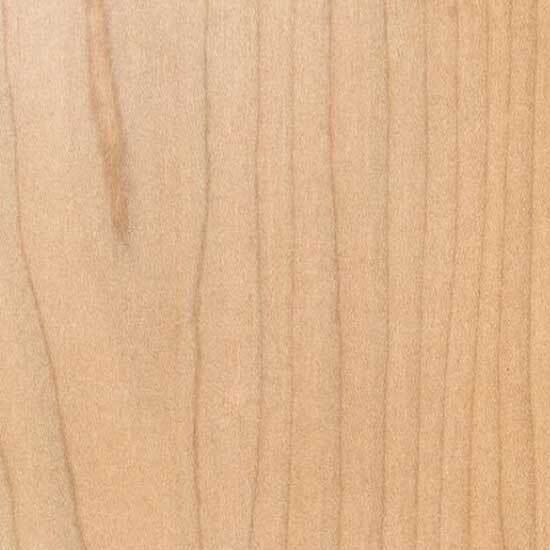
Soft maple is an American hardwood that is very similar to hard maple in many respects, but it is generally easier to work and about 25 percent less hard. The sapwood is usually grayish-white and may include darker-colored pith flecks. The heartwood varies from light reddish brown to dark reddish brown, giving the wood a moderate color range that can work well in furniture, cabinetry, millwork, and interior applications.
Soft maple is usually straight-grained, and the lumber is generally sold unselected for color. Because of that, boards may include a mix of sapwood, heartwood, and natural color variation. Soft maple is often used as a practical substitute for hard maple or stained to resemble other species, especially when a project needs good workability, a smooth finish, and dependable performance.
Soft Maple Grades
Physical Characteristics
Soft maple is about 25 percent less hard than hard maple. It has medium bending strength, medium crushing strength, low stiffness, and low shock resistance. It also has good steam-bending properties, which make it useful for certain shaped components and manufactured wood products.
- Color Variation: Soft maple sapwood is generally grayish-white and may include darker-colored pith flecks, while the heartwood ranges from light to dark reddish brown.
- Color Selection: Soft maple lumber is generally sold unselected for color, so natural color variation should be expected.
- Texture and Grain: Soft maple is usually straight-grained, giving it a clean and workable hardwood appearance.
- Hardness: Soft maple is about 25 percent less hard than hard maple, which can make it easier to machine and work.
- Strength Values: Soft maple has medium bending and crushing strength.
- Stiffness and Shock Resistance: Soft maple is low in stiffness and shock resistance.
- Steam-Bending Performance: Soft maple has good steam-bending properties.
- Drying and Movement: Soft maple dries slowly with minimal degradation and has little movement in performance.
Applications
Common applications for Soft Maple include:
- Furniture: Soft maple is used in furniture where workability, finish quality, and a clean hardwood appearance are important.
- Paneling and Millwork: Soft maple works well for paneling, trim, and millwork because it machines cleanly and can be finished to a smooth appearance.
- Kitchen Cabinets: Soft maple is a practical choice for cabinets, especially when the final design calls for paint, enamel, stain, or brown tones.
- Moulding: Soft maple can be used for moulding where a smooth, finished profile is needed.
- Doors: Soft maple is suitable for doors and door components that require stable performance and good finishing qualities.
- Musical Instruments: Soft maple can be used in musical instruments and specialty wood products.
- Turnings: Soft maple turns well and is useful for shaped parts, rounded components, and decorative pieces.
- Hard Maple Substitute: Soft maple is often used as a substitute for hard maple when slightly lower hardness is acceptable.
- Stained Applications: Soft maple may be stained to resemble other species, giving manufacturers additional flexibility in finished appearance.
Select Hardwoods Soft Maple
Select Hardwoods supplies soft maple for customers who need a dependable domestic hardwood with good machining properties, strong finishing potential, and practical use across furniture, cabinetry, millwork, doors, musical instruments, and turned products. Soft maple is a useful option when a project needs a maple-like appearance but does not require the hardness of hard maple.
Because soft maple is generally sold unselected for color, project goals should guide lumber selection. Select Hardwoods can help customers evaluate soft maple for applications where color variation, workability, staining, polishing, enamel finishing, dimensional performance, and substitution for hard maple are important. Contact us for more information about soft maple.
For Domestic Sales:
Contact Josh Gowan
336-262-9696
For Export Sales:
Contact John Linn
336-566-8350
Additional Information
For more information about soft maple and other hardwood products, explore our related product pages and blog content covering hardwood characteristics, applications, grades, and milling processes to help you choose the right hardwood for your project.

Best Kinds Of Wood For Construction Projects
In this article, we will explore the best times for cutting timber, breaking down the key reasons why one season might be better than another. This will help you make informed decisions, whether you are a seasoned lumberjack or a landowner managing your own woodlands.
Learn More
How Our Planer Mill Supports Furniture Makers
For large manufacturers, it supports efficient production schedules and dependable inventory flow. This article is a detailed look at how our Planer Mill supports furniture makers throughout the region, nationally, and beyond.
Learn More
What Is Hardwood Lumber?
For both builders and homeowners, understanding what hardwood lumber is, how it differs from softwood, and its applications in construction and design is essential. This guide explains hardwood lumber in detail, highlights its benefits, and outlines its many applications.
Learn More
The Benefits of Planing Lumber for Export
The Church and Church Planer Mill produces Appalachian hardwood lumber, white pine lumber, yellow pine lumber, and rift-and-quartered white oak. For importers, partnering with a mill that provides this level of preparation creates real and measurable benefits. These benefits influence everything from shipping efficiency to machining performance to long-term product reliability.
Learn More