Red Oak
Red oak is one of the most recognized and widely used hardwoods in North America because of its strength, workability, and classic grain pattern. It shares many visual similarities with white oak, but its pinkish to reddish-brown heartwood and slightly less-pronounced figure give it a look of its own. Red oak is valued for its hardness and structural strength, while still being easy to machine and finish for a wide variety of projects. Its ability to accept stain in a broad range of tones makes it a practical option for manufacturers, builders, and woodworkers who need both performance and flexibility. From flooring and furniture to cabinetry and millwork, red oak continues to be a dependable hardwood for countless applications.
Red Oak Grades
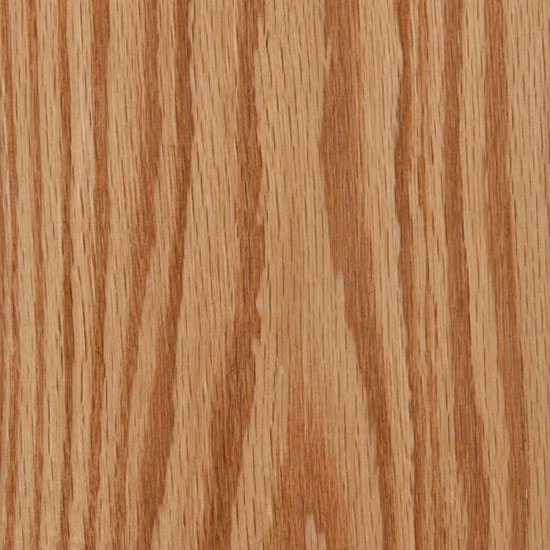
Physical Characteristics
Red oak is a hard, heavy hardwood with a coarse texture and a grain pattern that is familiar across residential, commercial, and woodworking applications. The sapwood ranges from white to light brown, while the heartwood typically carries a pinkish to reddish-brown tone. Like white oak, red oak is generally straight-grained, though its smaller rays create a less dramatic figure in finished surfaces. Its strength and density make it a reliable hardwood for products that need both durability and visual appeal.
- Color Variation: White to light brown sapwood with pinkish to reddish-brown heartwood
- Grain Pattern: Mostly straight-grained with classic cathedral grain in plain-sawn boards
- Texture: Coarse texture that gives finished products a natural character
- Strength and Density: Hard and heavy wood with strong structural performance
- Crushing Strength: High crushing strength for demanding applications
- Visual Figure: Similar to white oak, but with less pronounced ray figure due to smaller rays
Applications
Common applications for Red Oak include:
- Furniture: Provides strength, durability, and a classic hardwood appearance for tables, chairs, and case goods
- Flooring: Hardness and wear resistance make it a reliable option for residential and commercial floors
- Architectural Millwork: Frequently used for trim, built-ins, and detailed interior wood components
- Moulding: Machines cleanly and performs well in decorative trim profiles
- Doors: Strong enough for interior wood door construction and specialty applications
- Kitchen Cabinets: A popular hardwood choice for cabinetry because of its durability and stain flexibility
- Paneling: Adds warmth, grain character, and texture to interior spaces
- Caskets: Long valued for traditional hardwood construction and finish quality
Select Hardwoods Red Oak
Select Hardwoods, a division of Church and Church Lumber Company, supplies red oak for customers who need dependable hardwood products for manufacturing, construction, and specialty woodworking projects. With careful grading, quality control, and a reliable supply chain, we help customers source hardwood products that meet their specifications and perform as expected.
If your project calls for red oak, work with Select Hardwoods for consistent quality and dependable hardwood supply. Contact our team to discuss grades, availability, and how we can help support your next order.
For Domestic Sales:
Contact Josh Gowan
336-262-9696
For Export Sales:
Contact John Linn
336-566-8350
Additional Information
For more information about red oak, explore our related product pages and blog content covering hardwood characteristics, applications, grades, and milling processes to help you choose the right hardwood for your project.
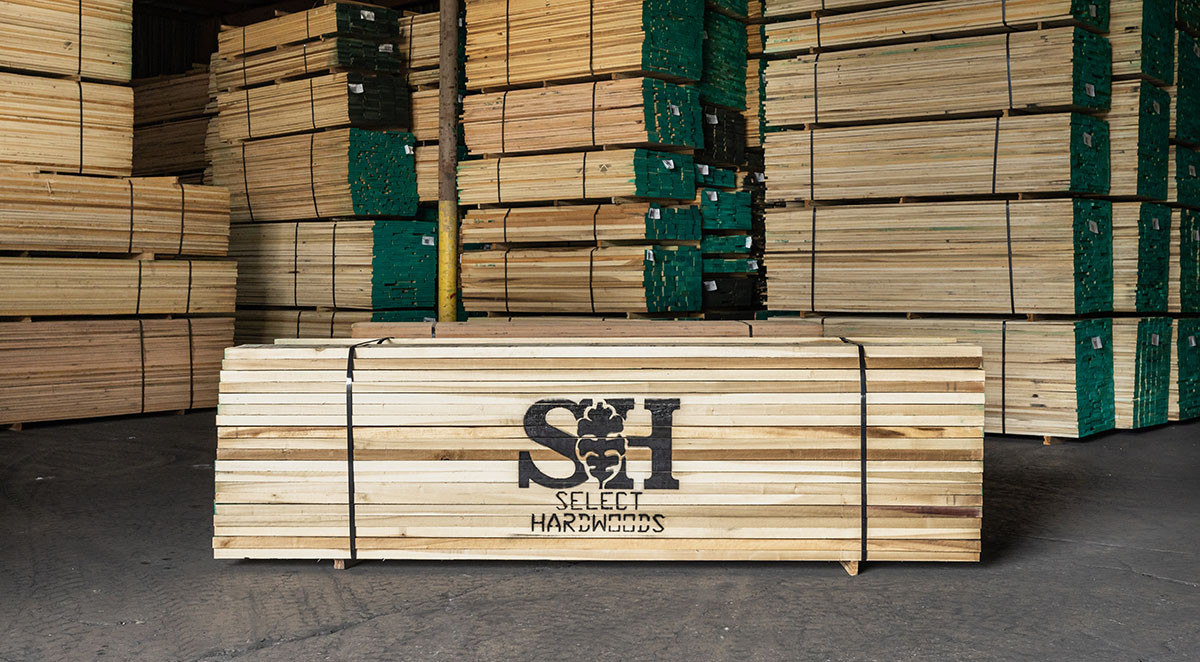
Everything You Need To Know About Our Select Hardwoods
Church and Church Lumber Mill and Select Hardwoods Lumber are situated in the middle of this hardwood-abundant region, a primary timber industry specializing in select hardwood timber products. This article explores the world of Select Hardwoods.
Learn More
Appalachian Hardwoods Species Selection Guide for Manufacturers
Red oak remains one of our most popular hardwoods due to its versatility and consistent performance in manufacturing environments. In this comprehensive guide, we'll explore the unique characteristics of Appalachian hardwoods and help you select the perfect species for your manufacturing needs.
Learn More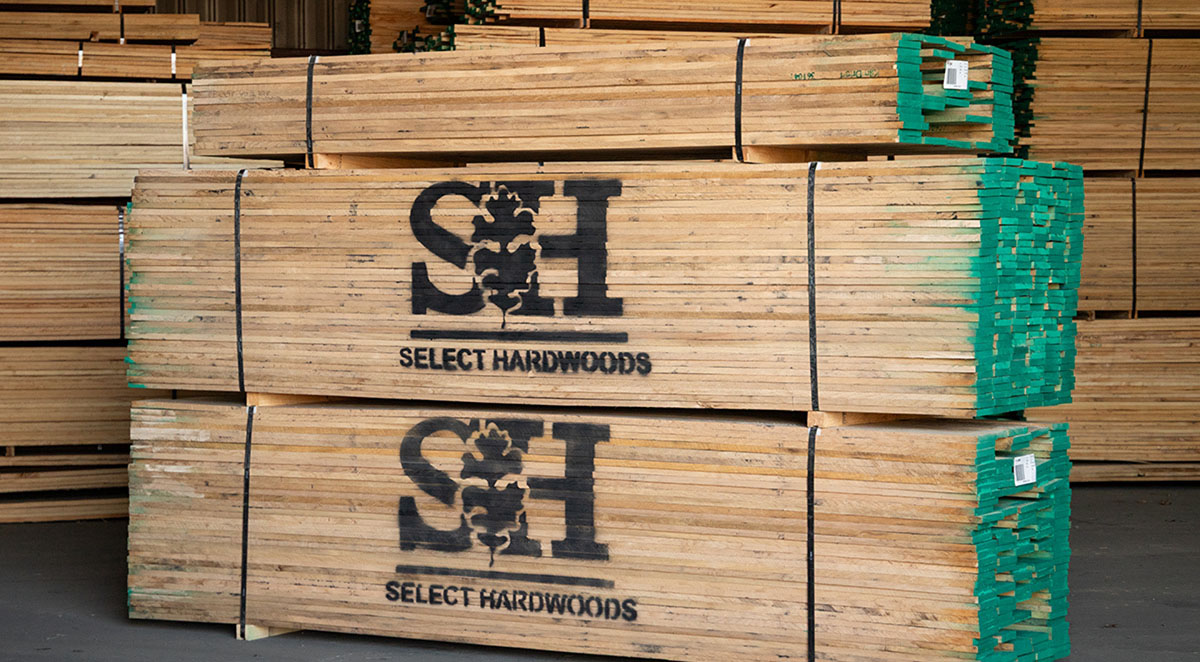
How Kiln Drying Impacts Sawmill Operations
Kiln drying is a process that uses a controlled, insulated chamber to remove moisture from wood. In this blog, we will go over different facets of how kiln drying can affect the overall quality of the wood products that we bring to market.
Learn More
How Our Planer Mill Supports Furniture Makers
For large manufacturers, planning lumber supports efficient production schedules and dependable inventory flow. This article is a detailed look at how our Planer Mill supports furniture makers throughout the region, nationally, and beyond.
Learn More