Poplar
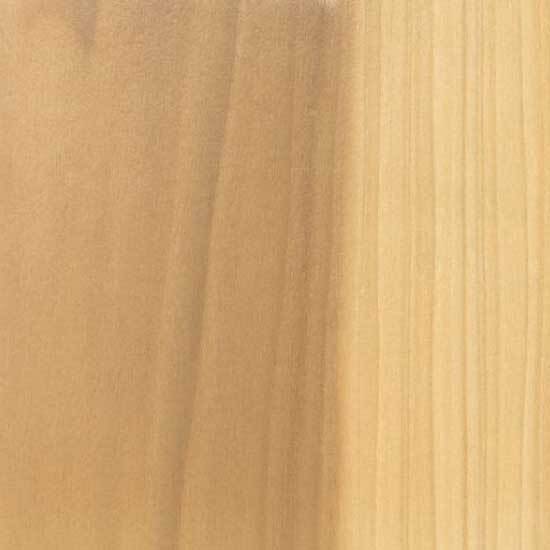
Poplar is a widely used American hardwood known for its workability, consistent texture, and strong performance in painted and stained applications. Its sapwood is creamy white and may include streaking, while the heartwood ranges from pale yellowish-brown to olive green. When exposed to light, the green tones in the heartwood tend to darken and turn brown over time.
Poplar has a medium-to-fine texture and is generally straight-grained, which makes it a practical choice for manufacturers, cabinet shops, millwork producers, furniture makers, and builders. While it is not usually selected for high-impact strength, it is valued for dependable machining, easy drying, and excellent finishing qualities.
Poplar Grades
Physical Characteristics
Poplar is a medium-density hardwood with relatively low bending strength, shock resistance, stiffness, and compression values. It also has a medium steam-bending classification. These characteristics make poplar best suited for interior applications, light construction, furniture components, moulding, millwork, cabinetry, and other products where ease of machining and finish quality are more important than heavy structural performance.
- Color Variation: Poplar sapwood is creamy white and may be streaked, while the heartwood varies from pale yellowish-brown to olive green.
- Color Change: The green tones in poplar heartwood tend to darken with exposure to light and eventually turn brown.
- Texture and Grain: Poplar has a medium-to-fine texture and is generally straight-grained.
- Density: Poplar is a medium-density hardwood, making it easier to work than many harder domestic species.
- Strength Values: Poplar has low bending, shock resistance, stiffness, and compression values.
- Steam-Bending Classification: Poplar has a medium steam-bending classification.
- Dimensional Performance: Poplar dries easily with minimal movement in performance.
Applications
Common applications for Poplar include:
- Light Construction: Poplar is used in light-duty building applications where ease of working and stability are important.
- Furniture: Poplar is commonly used for furniture frames, painted furniture, secondary components, and parts where a clean finish is needed.
- Kitchen Cabinets: Poplar works well for painted cabinet parts, face frames, doors, and other interior cabinet components.
- Doors: Poplar can be used in interior doors and door components because it machines and finishes well.
- Paneling: Poplar’s straight grain and smooth texture make it suitable for interior wall paneling.
- Moulding And Millwork: Poplar is a common choice for moulding, trim, and custom millwork because it planes, machines, and paints well.
- Edge-Glued Panels: Poplar glues well and is used in panels for furniture, cabinetry, and interior products.
- Turnings: Poplar turns easily and can be used for turned wood components.
- Carvings: Poplar’s workability makes it a useful species for carved wood products and decorative components.
Select Hardwoods Poplar
Select Hardwoods supplies poplar for customers who need a dependable, easy-working hardwood for furniture, cabinetry, millwork, paneling, doors, moulding, and other interior applications. Poplar is a practical choice when the finished product needs clean machining, reliable gluing, and strong paint or stain performance.
Because poplar takes and holds paint, enamel, and stain exceptionally well, it is often selected for projects where finish quality is a major priority. Select Hardwoods can help hardwood buyers evaluate poplar for applications that require workability, consistency, and attractive finished results. Contact us for help with Poplar.
For Domestic Sales:
Contact Josh Gowan
336-262-9696
For Export Sales:
Contact John Linn
336-566-8350
Additional Information
For more information about Poplar and other hardwood products, explore our related product pages and blog content covering hardwood characteristics, applications, grades, and milling processes to help you choose the right hardwood for your project.
How To Get The Best Deal On Hardwoods
Lumber from this valuable natural resource can be expensive for consumers, depending on local supply and demand, species, and grade. Lumber prices continue to increase, especially for the higher-quality hardwood species. As with all products, it is important to purchase the ones you need at the lowest possible price. This is also true for lumber products.
Learn More
Hardwoods vs. Softwoods
Both hardwoods and softwoods have unique lumber qualities and are utilized by the industry for various timber products. This article will discuss the two tree groups related to their place in the forest ecosystem and their qualities and characteristics regarding lumber products.
Learn More
What Are The Most Damaging Tree Diseases In NC?
In this comprehensive blog, we will explore the most destructive tree diseases in the region, their symptoms, how they spread, and strategies for prevention and management.
Learn More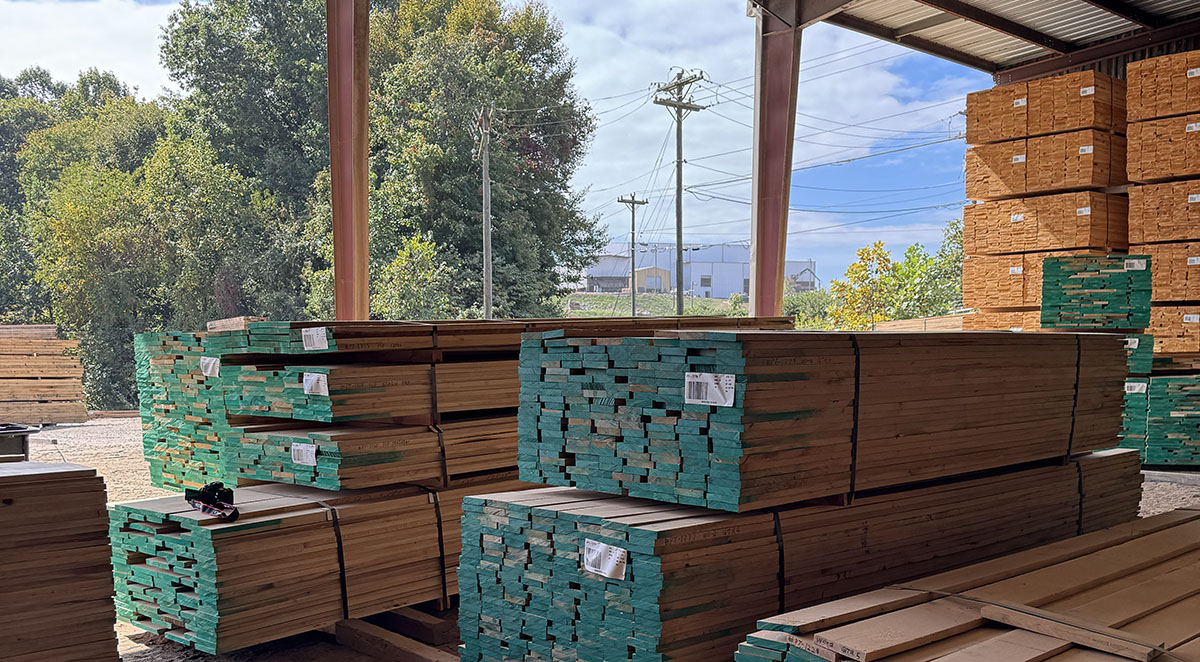
Seven Most Important Things We Do At The Planer Mill
With decades of experience and top-of-the-line equipment, the team transforms every board foot into ready-to-ship, ready-to-use lumber tailored to meet each customer’s needs. This article breaks down seven of the most important things we do every day at the Planer Mill.
Learn More