Hickory
Hickory is an important group of hardwood species found throughout the eastern hardwood forests. Botanically, hickories are divided into two main groups: the true hickories and the pecan hickories, which are fruit-bearing. In the hardwood lumber market, the wood from both groups is very similar in appearance and performance, so it is usually sold together as hickory.
The sapwood of hickory is white with a light brown tint, while the heartwood ranges from pale brown to reddish brown. This natural color variation gives hickory a strong, recognizable appearance, especially in flooring, cabinetry, and furniture, where contrast between sapwood and heartwood may be visible. Hickory is often selected when a project needs a domestic hardwood with exceptional toughness, strong grain character, and a rugged visual profile.
Hickory Grades

Physical Characteristics
Hickory is the heaviest of the American hardwoods and is best known for its strength, hardness, shock resistance, and excellent steam-bending properties. Because it is so dense, hickory can be more difficult to machine, glue, and work by hand than many other domestic hardwoods. Careful handling, sharp tooling, proper drying, and pre-boring are important when working with hickory.
- Color Variation: Hickory sapwood is white with a brown tint, while the heartwood is pale to reddish brown.
- Hardness and Density: Hickory is the heaviest of the American hardwoods, making it extremely hard and durable.
- Working Difficulty: Hickory can be difficult to machine and glue, and it is very hard to work with hand tools.
- Fastening Performance: Hickory holds nails and screws well, but it has a tendency to split, so pre-boring is advised.
- Drying and Shrinkage: Hickory can be difficult to dry and has high shrinkage, which makes proper drying and handling important.
- Shock Resistance: Hickory is well-known for its strength and shock resistance.
- Steam-Bending: Hickory has excellent steam-bending properties, making it useful for applications that require both strength and shaping ability.
Applications
Common applications for Hickory include:
- Tool Handles: Hickory is a traditional choice for tool handles because of its shock resistance and ability to handle repeated impact.
- Furniture: Hickory is used for durable furniture where strength and a bold hardwood appearance are important.
- Cabinetry: Hickory cabinetry offers a strong visual character, especially when the natural contrast between sapwood and heartwood is included.
- Flooring: Hickory is a popular flooring species because it resists wear and performs well in demanding residential and commercial settings.
- Wooden Ladders: Hickory’s strength and toughness make it suitable for products that must remain dependable under stress.
- Dowels: Hickory’s hardness and density make it useful for dowels and other shaped or turned wood components.
- Sporting Goods: Hickory is used in sporting goods because it can absorb shock and withstand repeated use.
Select Hardwoods Hickory
Select Hardwoods supplies hickory for customers who need a strong, durable domestic hardwood with excellent performance characteristics. Hickory is a practical choice for manufacturers, builders, flooring producers, cabinet shops, furniture makers, and other hardwood buyers who need lumber that can stand up to heavy use.
Because hickory is dense, hard, and more difficult to work than some other hardwoods, sourcing properly prepared lumber matters. Select Hardwoods can help customers evaluate hickory for applications where strength, wear resistance, shock resistance, and natural character are important to the finished product. Contact us for more information about Hickory.
For Domestic Sales:
Contact Josh Gowan
336-262-9696
For Export Sales:
Contact John Linn
336-566-8350
Additional Information
For more information about Hickory and other hardwood products, explore our related product pages and blog content covering hardwood characteristics, applications, grades, and milling processes to help you choose the right hardwood for your project.
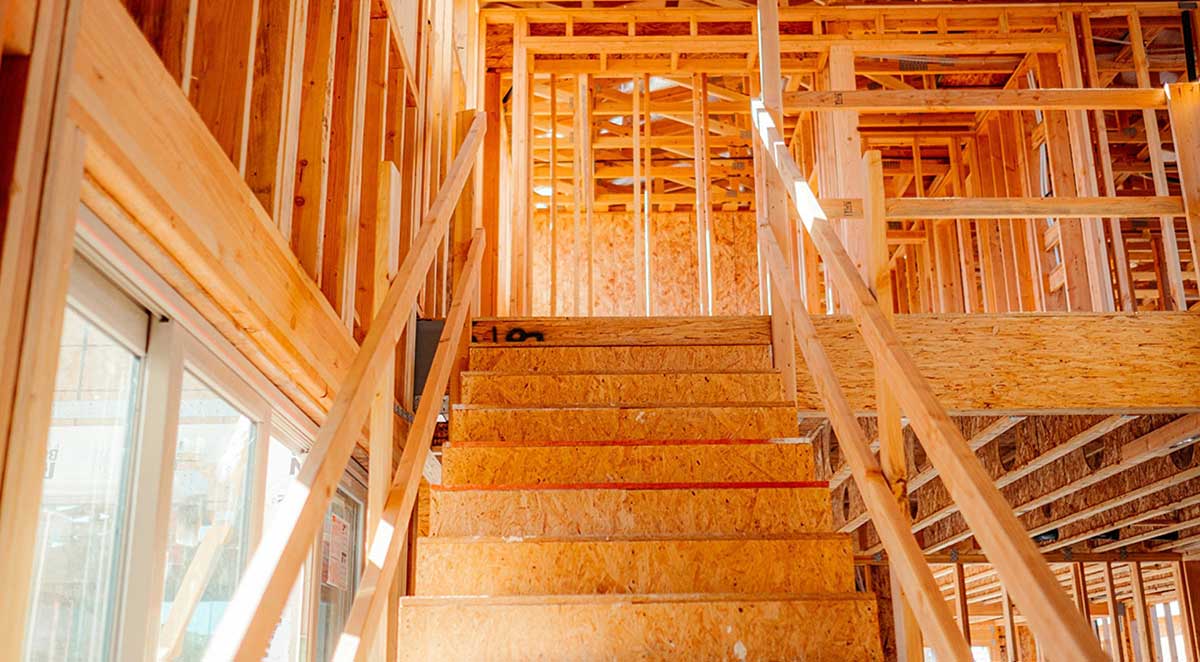
Why Sawmill Consistency is Important for Architects & Designers
When architects and designers specify hardwood, they are rarely choosing a material. They expect a higher level of performance, tighter tolerances, and long-term quality. The success of these decisions depends heavily on the consistency at the sawmill.
Learn More
Best Hardwood Trees For Our Area
Northwest North Carolina is primarily in the Southern Appalachian ecological zone, with northern hardwood ecosystems in isolated areas in the highest elevations. This article will discuss the best hardwood trees growing within our area of northwest North Carolina.
Learn More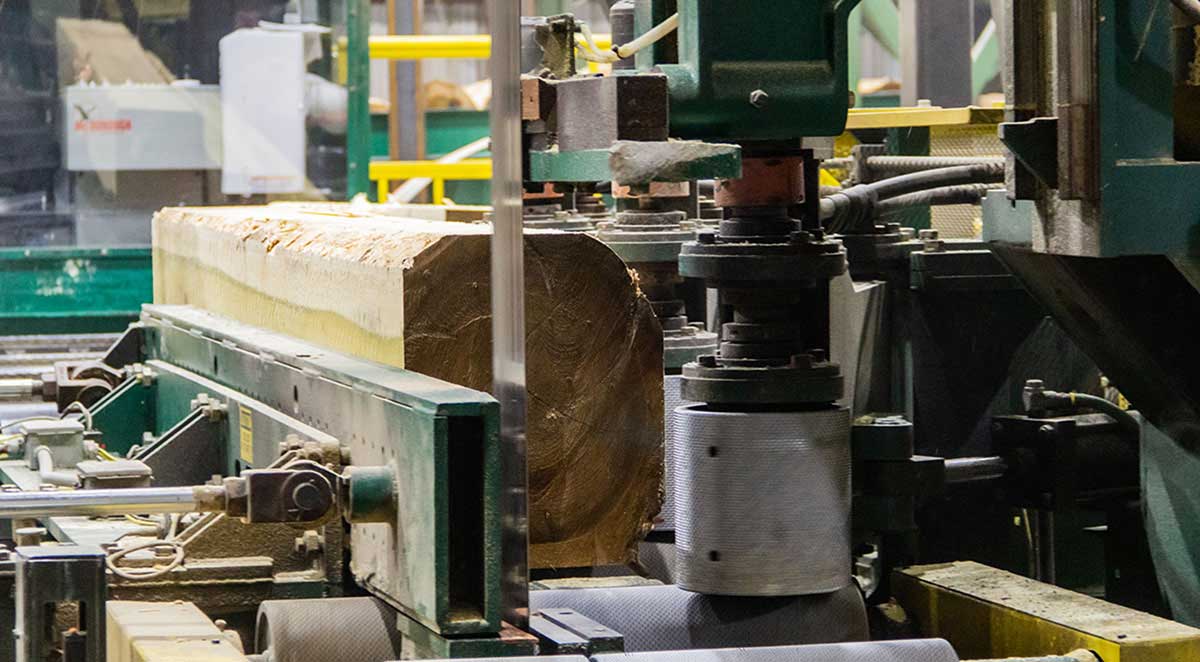
The Role of a Responsible Sawmill in Hardwood Supply Chains
A responsible mill manages procurement well, processes logs with efficiency, supports forest health, and maintains a high standard of quality at every step. This approach strengthens the entire supply chain from standing timber to finished product.
Learn More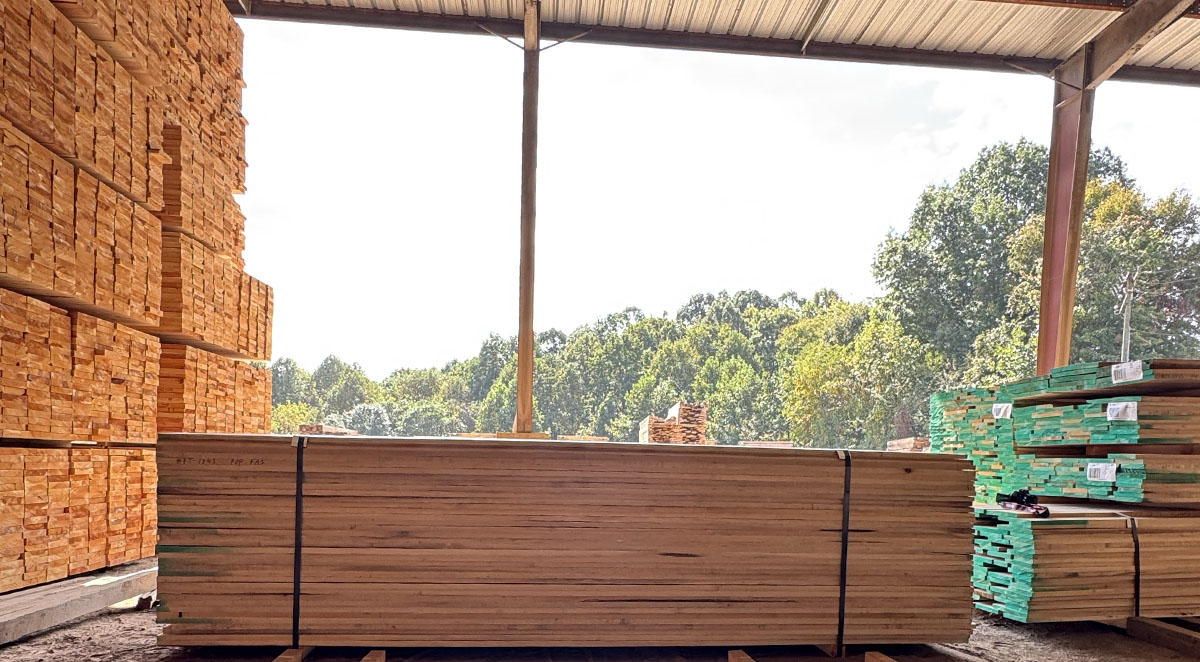
Precision in Custom Orders at the Planer Mill
While not all, many contractors and manufacturers have had to place highly specific custom orders of lumber to meet specifications for projects. In this in-depth article, we will explore the ins and outs of how planer mills can provide precision products for custom orders to meet the needs of contractors, manufacturers, importers, and fabricators.
Learn More